
Tech
Montech AG Releases Guide Outlining Seven Factors for Choosing Between Belt, Roller, and Chain Conveyors

Charlotte, North Carolina / 500NewsWire / November 21, 2026 / Montech AG has published a guide that sets out seven factors for manufacturers and warehouse operators to weigh when selecting between belt, roller, and chain conveyors. The guide also includes an overview of overhead systems and a comparison of the main conveyor types by application, advantages, limitations, and relative cost.
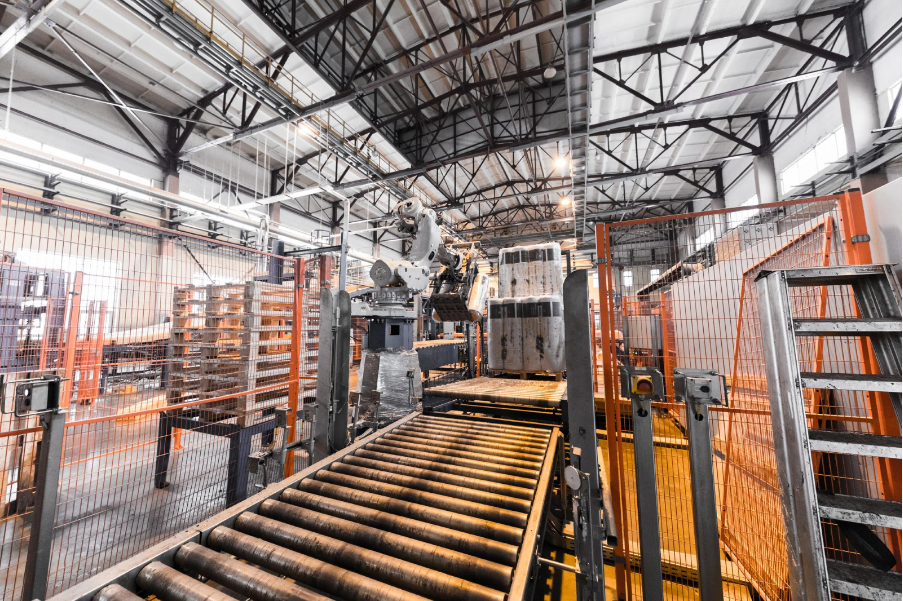
The guide starts from the observation that a conveyor tends to go unnoticed while it operates correctly but becomes highly visible when it fails. A single jammed carton, slipped belt, or overloaded chain can halt an entire production line, resulting in accumulating orders and missed deadlines. The document states that no single conveyor type suits every line. The appropriate choice depends on the products being handled, the available space, the budget, and the future direction of the operation.
The first factor addresses the product itself, including its dimensions, weight, shape, and surface. According to the guide, the common belt conveyor vs roller conveyor question is usually settled by the characteristics of the items being moved. Belt conveyors handle small, flexible, and irregularly shaped products and can operate on slopes. Roller conveyors suit rigid, flat-bottom cartons and totes. Chain conveyors transport heavy pallets and drums in rough environments. The guide notes that a mismatched selection can lead to slipping, tilting, or product damage, and it recommends testing a sample before committing to a system.
The second and third factors cover throughput and layout. The guide advises defining how many parts must travel down the line each minute and whether those parts need to accumulate. Belt systems can reach variable speeds of up to 250 feet per minute, while gravity systems depend on slope and manual push. For layout, the guide recommends mapping all curves, slopes, and transfer points in advance. Modular belts and transfer systems can be placed in tight spaces, and overhead systems allow parts to be suspended entirely off the floor.
The fourth factor concerns budget. The guide recommends evaluating the cost of a conveyor over its full working life rather than focusing only on the upfront price. Gravity roller lines carry the lowest cost, while chain and overhead lines are more expensive and more durable. The fifth factor addresses the operating environment, including dust, temperature, humidity, and cleanliness requirements. Cleanroom-rated belts are required in pharmaceutical and electronics facilities, and washdown stainless-steel frames are appropriate for food-processing plants.
The sixth factor covers safety and maintenance. Every conveyor system has pinch points, and the guide states that guarding, emergency stop buttons, and locking devices should be planned from the start. Systems that provide easy access to equipment help reduce maintenance costs. The seventh factor addresses growth, noting that flexible conveyor systems allow operators to extend a line, add a transfer point, or replace a belt without redesigning the system from scratch.
The comparison section describes four main conveyor types. Belt conveyors, with low to moderate relative cost, are described as gentle, quiet, and suited to flexible layouts, though subject to belt wear and less suited to heavy pallets. Gravity roller conveyors carry the lowest relative cost and require no power, but need a slope or push and work only with rigid items. Powered roller conveyors, at moderate cost, provide strong control and straightforward accumulation, with more parts and greater upkeep. Chain conveyors, at moderate to high cost, are rugged and high-capacity but noisier and require more lubrication. Overhead conveyors carry high relative cost and complex installation while saving floor space.
A decision matrix in the guide pairs common requirements with conveyor types. Gravity roller conveyors are matched to the lowest-cost handling of cartons and manual packing. Modular belts are matched to small or delicate parts and precise positioning. Powered rollers are matched to accumulation and sorting, chain conveyors to heavy pallets or rough conditions, and overhead conveyors to floor space savings on assembly or finishing lines. The guide presents the matrix as a starting point for the belt conveyor vs roller conveyor decision and for other selections, with details to be confirmed with a supplier. It also advises verifying all equipment against applicable workplace safety requirements covering nip points and moving parts, as well as recognized standards governing conveyor design and operation.
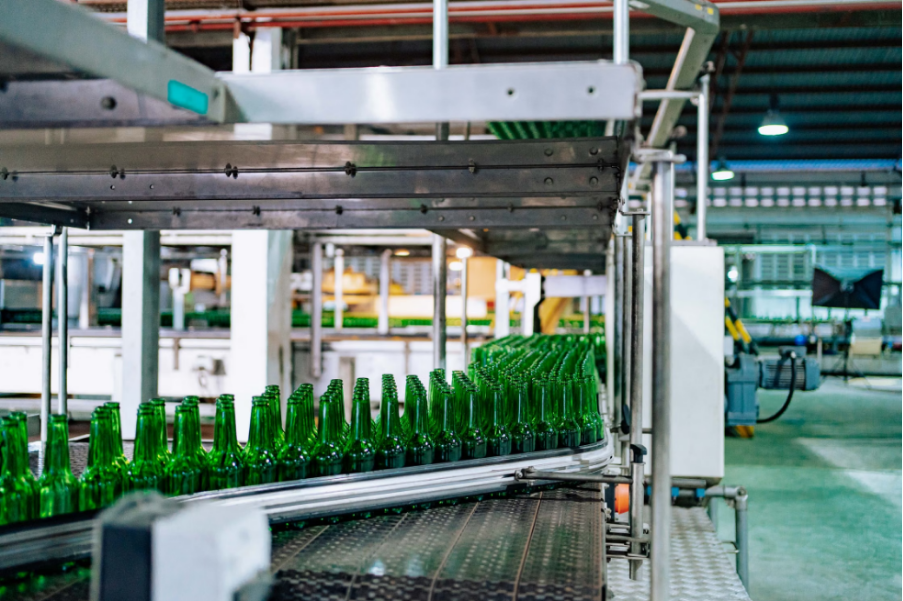
The guide describes the Montech AG product range as context. Belt options include the TB30 in single, double, and tandem versions, the heavier TB40 with a continuous load capacity of 200 kg, the wider GTB, and cleanroom belts approved for ISO 4 to ISO 6 classes. The SOLTB family is designed to carry fragile items such as films and cells. The range also includes the LTE roller conveyor, LT40 transfer systems, machine guarding, and aluminum frame components. Montech AG also operates an online configurator and shop.
The guide concludes that belts, rollers, chains, and overhead systems are each suited to their own tasks, and that the selection should rest on a careful review of product, layout, and budget.
About Montech AG
Montech AG supplies modular conveyor technology, including belt conveyors, roller conveyors, transfer systems, aluminum frame components, and machine guarding. Its customers operate in the automotive, electronics, medical device, pharmaceutical, and packaging industries. The company's North American office is located in Charlotte, North Carolina.
MEDIA DETAILS
Contact Person: Media Relations
Company Name: Montech AG
Email: [email protected]
Website: https://montech.com/us/en/