
Entertainment
AI Technology Begins Transforming Film Production
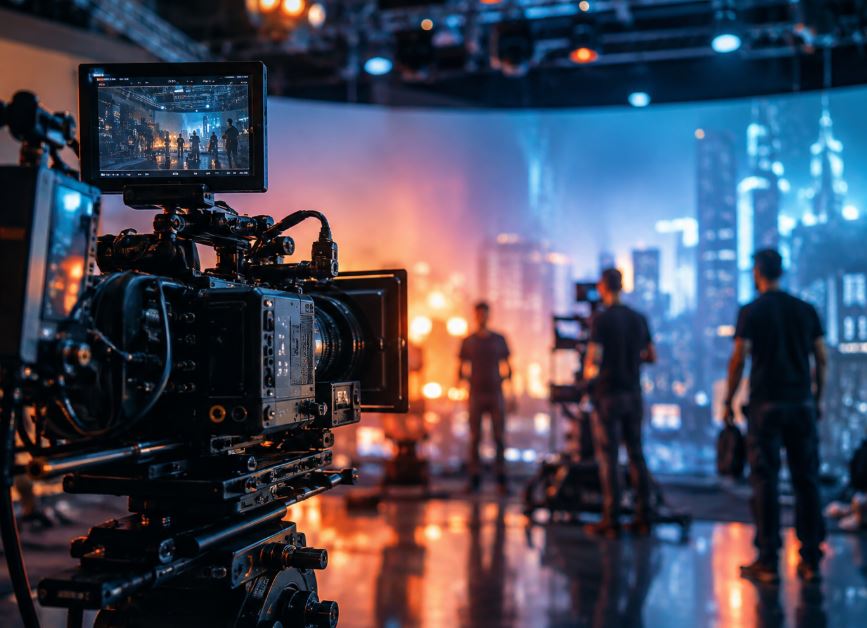
New York, NY / 500NewsWire / August 16, 2026 / Artificial intelligence is becoming a growing part of the film industry, changing how movies are planned, produced, edited, and promoted. From developing early story concepts to helping filmmakers organize complex production work, AI technology is giving studios and independent creators new tools to work faster and explore fresh creative possibilities.
The technology is not replacing the traditional filmmaking process. Instead, it is increasingly being used alongside writers, directors, cinematographers, editors, and other professionals to support creative and technical decisions.
AI Enters More Stages of Film Production
Film production involves hundreds of decisions, from choosing locations and managing schedules to creating visual effects and editing footage. AI-powered tools can analyze large amounts of information and help production teams complete certain tasks more efficiently.
Pre-production is one area where artificial intelligence can make a noticeable difference. Filmmakers can use AI-assisted software to organize scripts, identify scenes, estimate production requirements, and assist with scheduling. These capabilities may help reduce time spent on administrative work and allow creative teams to focus more closely on storytelling.
AI is also becoming useful during post-production. Editors can use automated tools to organize footage, identify scenes, generate transcripts, and assist with repetitive editing tasks. This can be particularly valuable for productions involving large amounts of video content.
Visual Effects and Digital Storytelling Evolve
Visual effects remain one of the most technology-driven areas of filmmaking. AI is helping artists and production teams experiment with digital environments, visual enhancements, and other effects that once required lengthy manual processes.
For smaller production companies, these developments could be especially significant. Advanced technology is becoming more accessible, potentially allowing independent filmmakers to create ambitious visual projects without the same resources available to major studios.
However, professional filmmakers still play an important role. Human creativity, artistic judgment, performance, and direction remain central to producing a compelling movie.
Filmmakers Face New Creative Questions
The rapid development of AI in entertainment is also creating important discussions about creativity and ownership. Questions surrounding copyright, the use of creative material for training AI systems, digital replicas, and the rights of performers continue to influence conversations across the industry.
Film professionals are increasingly looking for responsible ways to use artificial intelligence without weakening the human contribution that makes filmmaking unique. Clear policies and industry standards could become increasingly important as AI tools become more sophisticated.
Independent Filmmakers Could Benefit
One of the biggest opportunities may be for independent filmmakers. Production budgets can make it difficult for smaller teams to compete with major studios. AI-assisted technology could help reduce certain production costs and give creators access to capabilities that were previously expensive or difficult to obtain.
This does not mean every film will be made using artificial intelligence. Instead, filmmakers may selectively use AI where it provides practical value, while keeping human creativity at the center of the project.
The Future of AI in Film
AI technology is likely to remain an important part of the film industry's evolution. As tools improve, their role could expand from production support to more sophisticated applications across visual development, editing, distribution, and audience engagement.
The most important development may not be AI working alone, but AI and filmmakers working together. Studios and creators that find the right balance between technological efficiency and human storytelling could gain new opportunities in an increasingly competitive entertainment market.
For audiences, the result could be a wider variety of films, new visual experiences, and stories created by filmmakers who have access to more powerful production tools. The next chapter of cinema may therefore be shaped not simply by artificial intelligence, but by how creatively and responsibly people choose to use it.